

Winter in the Finger Lakes is hard on just about everything, and your septic system is no exception. While most homeowners think of septic issues as a summer problem, late winter is actually one of the most vulnerable times of year for residential septic systems.
As snow melts and the ground begins to thaw, soil conditions change quickly. That shift can put unexpected stress on your septic tank and drain field, especially for rural and lakefront properties. Understanding what to watch for in February can help you avoid unpleasant surprises later in the year.
Why the Spring Thaw Matters for Septic Systems
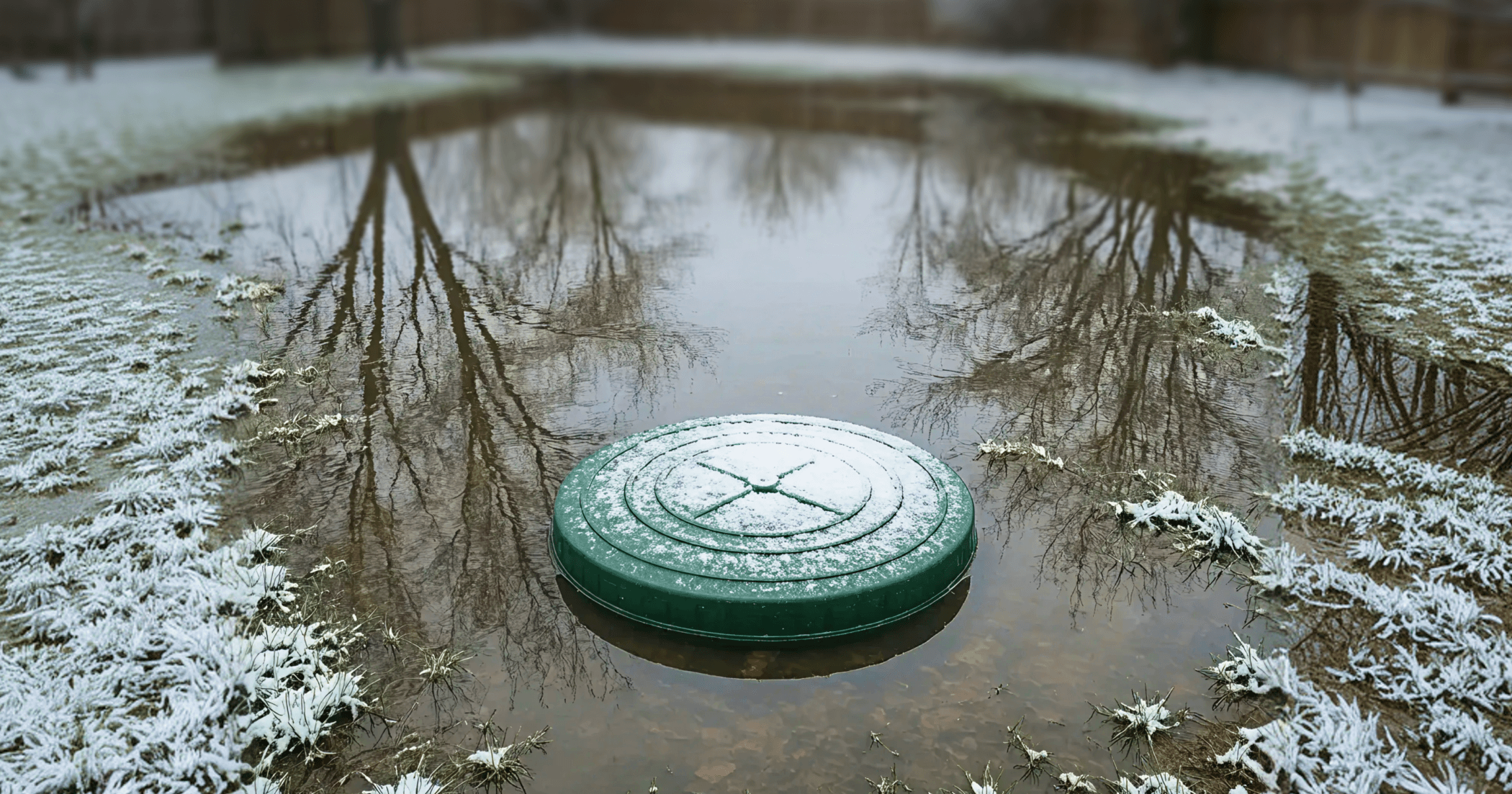
During winter, the ground is frozen solid, limiting how wastewater moves through the soil. When temperatures rise, melting snow and late winter rain saturate the ground. This excess moisture reduces the soil’s ability to properly absorb and filter wastewater from your drain field.
If your septic tank is already full or overdue for pumping, late winter thaw conditions can push the system past its limit. That’s when backups, soggy yards, and costly repairs tend to show up.
Common Septic Issues That Appear in Early Spring
Early late winter problems often start subtle and get worse as the season goes on. Homeowners should keep an eye out for:
-
Slow drains or gurgling sounds in sinks and toilets
-
Standing water or unusually soft ground near the drain field
-
Sewage odors outside or in the basement
-
Toilets backing up after heavy rain
These signs don’t always mean a system failure, but they are your septic system’s way of asking for attention.
How Spring Conditions Affect Drain Fields
Drain fields rely on unsaturated soil to treat wastewater safely. In February, soil is often at its wettest point of the year. When the ground can’t absorb water efficiently, wastewater may surface instead of filtering properly.
Lakefront properties are especially vulnerable due to higher water tables. Even systems that performed well last summer may struggle during late winter thaw if maintenance has been delayed.
Why February Is a Smart Time for Septic Pumping
Many homeowners wait until something goes wrong before scheduling septic service. Spring is an opportunity to be proactive.
Pumping your septic tank in February helps:
-
Reduce stress on the system during peak saturation
-
Prevent backups during late winter rainstorms
-
Identify small issues before they become major repairs
-
Avoid emergency service calls later in the year
It also puts you ahead of the busy summer season, when service schedules fill quickly.
Catching potential issues during a routine visit can save homeowners thousands of dollars and extend the life of the entire system.
Protecting Your Home and the Finger Lakes
A well-maintained septic system doesn’t just protect your home, it helps protect local groundwater and the Finger Lakes themselves. Regular pumping and inspections reduce the risk of untreated wastewater reaching nearby waterways.
As a locally owned company, Fingerlakes Environmental understands the unique conditions of our region and the importance of responsible septic care.
Get Ahead of Spring Septic Problems
If you’re unsure when your septic tank was last pumped, late winter is the perfect time to find out. A little preventive maintenance now can mean a smoother, worry-free year ahead: https://flxenvironmental.com/