


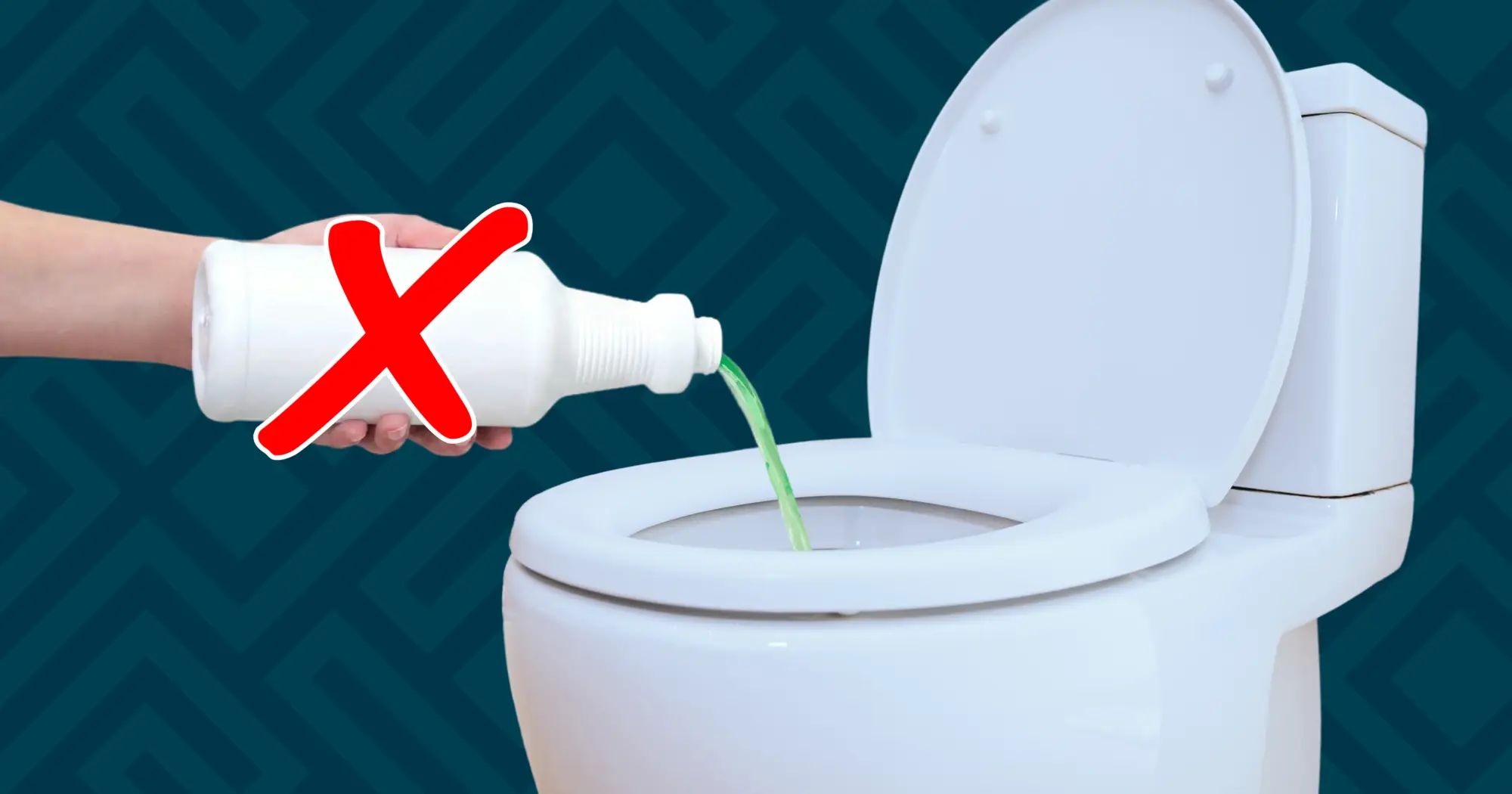
If you've ever walked down the cleaning aisle at a hardware store, you've probably seen them: bottles and packets promising to keep your septic system healthy, break down waste faster, and even extend the time between pumpings. Septic additives are heavily marketed to homeowners, and it's easy to see the appeal. Pour something in, save money, worry less. But do they actually work?
The short answer is no, not in the way the marketing suggests. Here's what the science actually tells us.
What Septic Additives Claim to Do
Septic additives generally fall into two categories: biological additives (bacteria, enzymes, and yeast) and chemical additives (solvents and acids meant to break down solids). Manufacturers claim these products accelerate waste decomposition, restore bacterial balance, and reduce sludge buildup, effectively doing the work that regular pumping would otherwise require.
It sounds logical on the surface. Your septic tank relies on bacteria to break down waste, so adding more bacteria should help, right?
What the Research Actually Shows
A healthy septic system already contains billions of naturally occurring bacteria. Under normal conditions, your tank has everything it needs to do its job. Studies conducted by the University of Wisconsin and the U.S. Environmental Protection Agency have found no reliable evidence that biological additives improve system performance beyond what naturally occurs. In many cases, flooding the tank with outside bacteria actually disrupts the existing microbial balance rather than improving it.
Chemical additives are an even bigger concern. Solvents can damage the beneficial bacterial environment in the tank, and some compounds pass straight through into the drain field - where they can harm soil structure, kill helpful microorganisms, and eventually leach into groundwater. Here in the Finger Lakes, that's not a risk worth taking.
The Myth That Costs Homeowners the Most
The most damaging claim made by additive manufacturers is that their products reduce the need for pumping. This is simply not true. No additive eliminates solid waste, it can only break down a portion of the organic material. Inorganic solids, grease, and certain waste byproducts accumulate regardless of what you pour in the tank. Over time, that buildup reaches the drain field, and when it does, you're no longer looking at a pumping bill, you're looking at a drain field replacement that can cost tens of thousands of dollars.
What Actually Works
Regular pumping every three to five years (adjusted for your household size and tank capacity) remains the only proven method for keeping a septic system functioning properly. Combined with mindful water use, avoiding flushing harmful materials, and periodic professional inspections, routine pumping protects your system, your property value, and the surrounding environment.
At Fingerlakes Environmental, we have been serving families across Ontario, Yates, Steuben, and surrounding counties for years. If you're not sure when your tank was last pumped, or if you've been relying on additives in place of maintenance, give us a call. We'll give you an honest assessment - no gimmicks, no shortcuts, just straight answers from your local septic experts. https://flxenvironmental.com/